

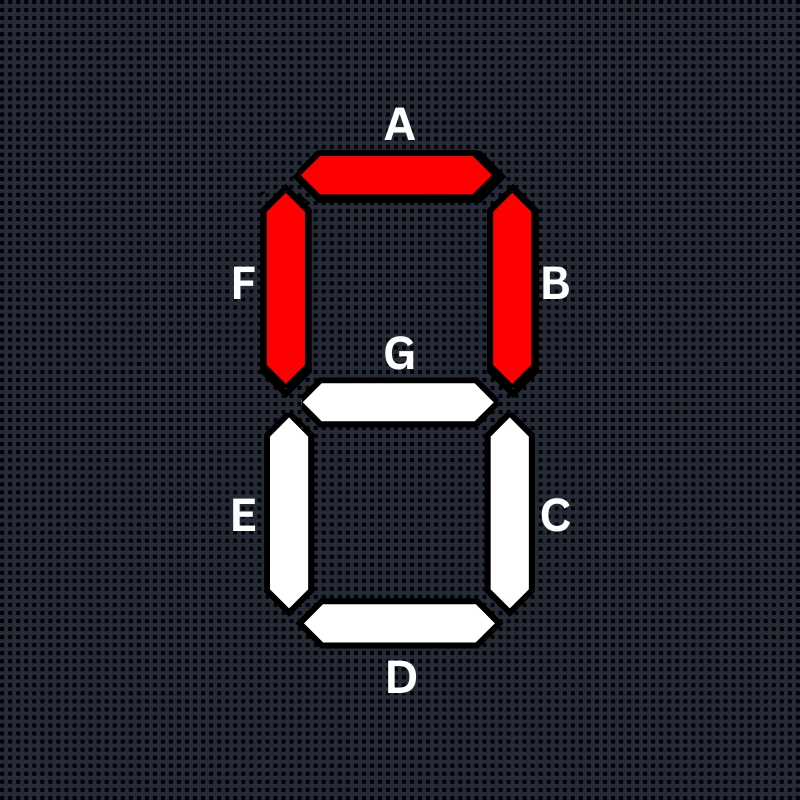
Cabin Stop Open
Fault No. 1
The cabin safety contact is open, whether the elevator is moving or stopped at a floor.
If the elevator is moving, this fault causes an immediate stop without taking the elevator out of service.
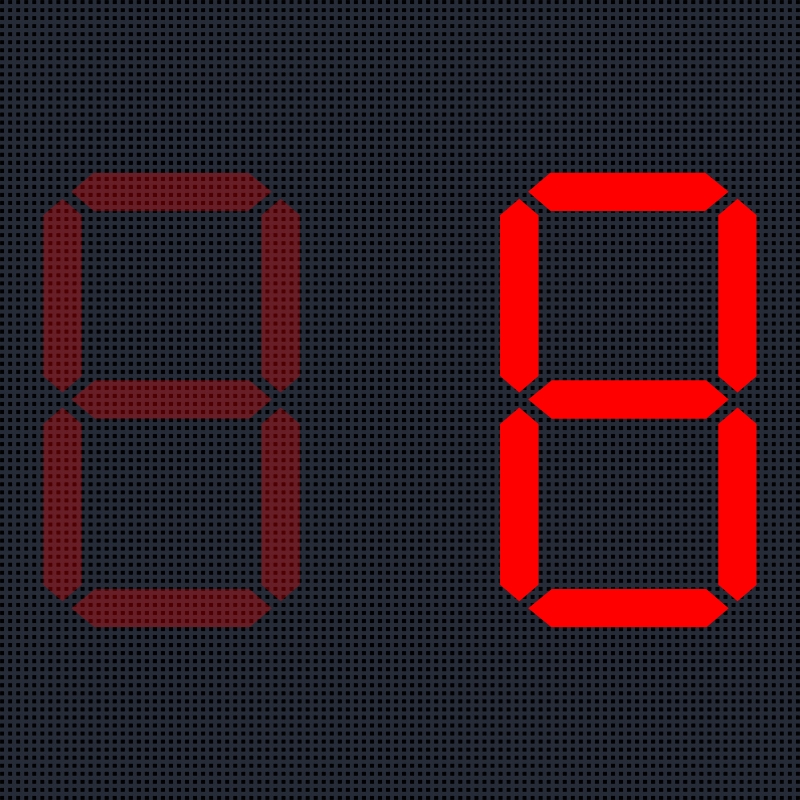
The floor number appears and disappears
Fault No. 2
The door lock safety contact is open while the elevator is moving.
This fault causes an immediate stop if the elevator is moving, without taking the elevator out of service.
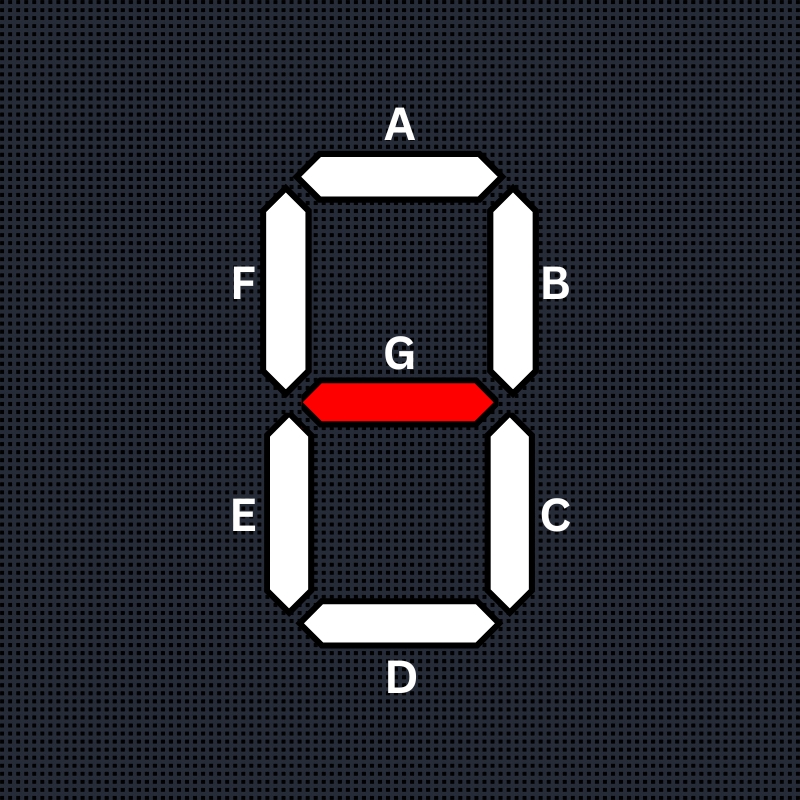
Door Lock Open
Fault No. 3
The door safety contact is open, whether the elevator is moving or stopped at a floor.
This fault causes an immediate stop if the elevator is moving, without taking the elevator out of service.
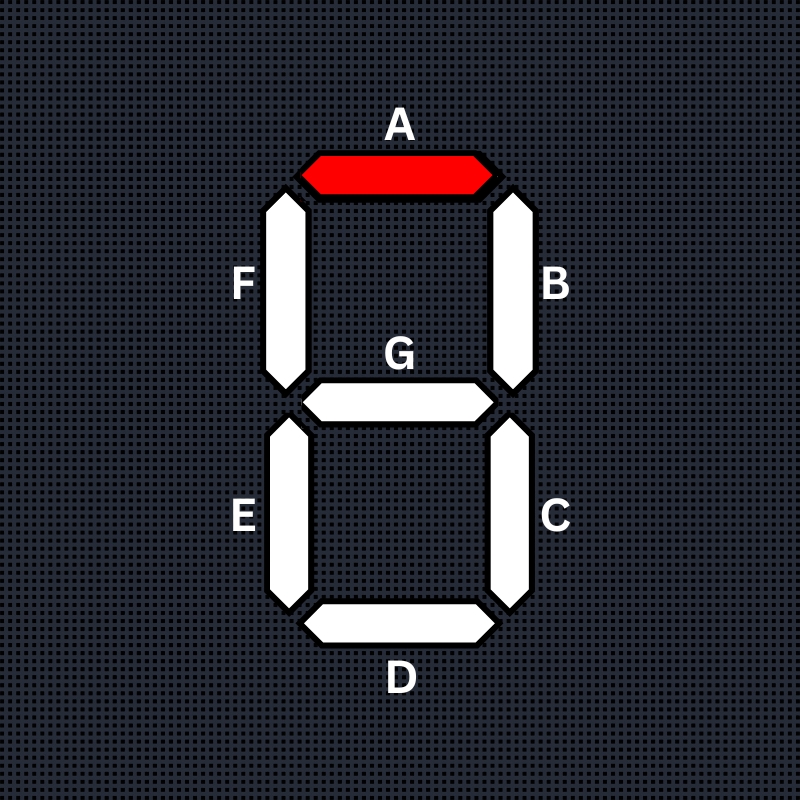
Phase Loss
Fault No. 4
A phase loss has been detected by the board’s built-in phase sequence monitoring circuit. This applies to boards equipped with an internal phase sequence system.
If the elevator is moving, this fault causes an immediate stop without taking the elevator out of service.
The missing phase must be restored before the board can resume operation.
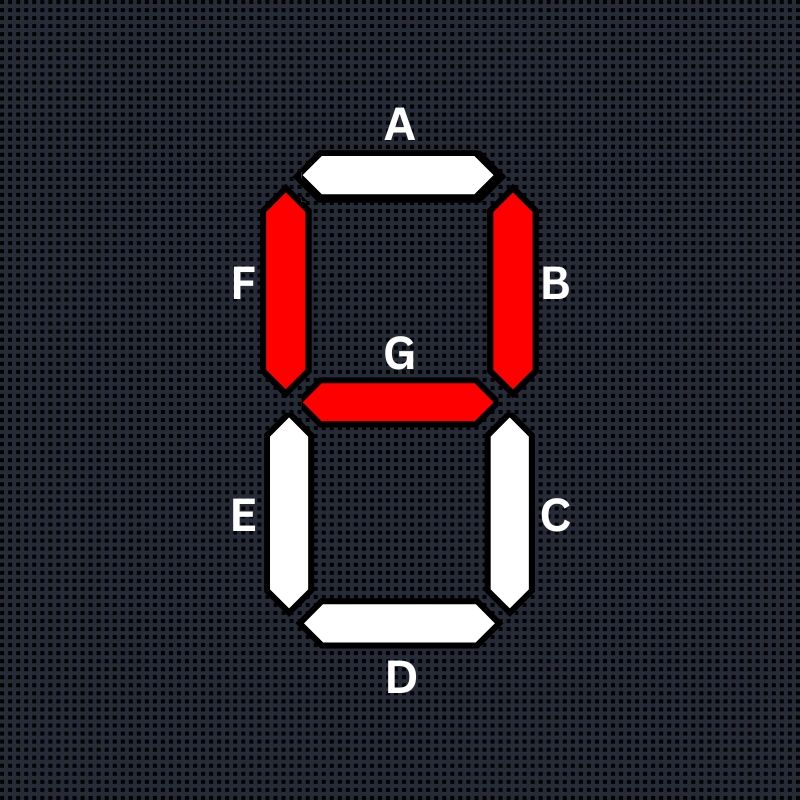
Up Limit Open During Down Travel
Fault No. 5
The up limit switch has opened while the elevator is moving down, indicating that the elevator motor is running in the wrong direction due to reversed power phase sequence.
In this case, the elevator will stop at the nearest floor without going out of service.
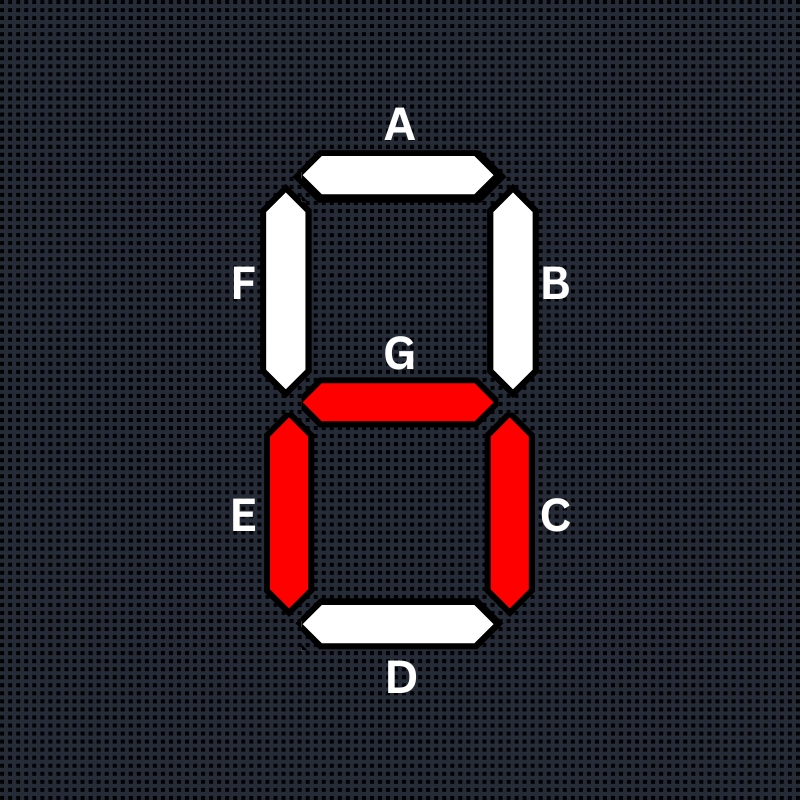
Down Limit Open During Up Travel
Fault No. 6
The down limit switch has opened while the elevator is moving up, indicating that the elevator motor is running in the wrong direction due to reversed power phase sequence.
In this case, the elevator will stop at the nearest floor without going out of service.
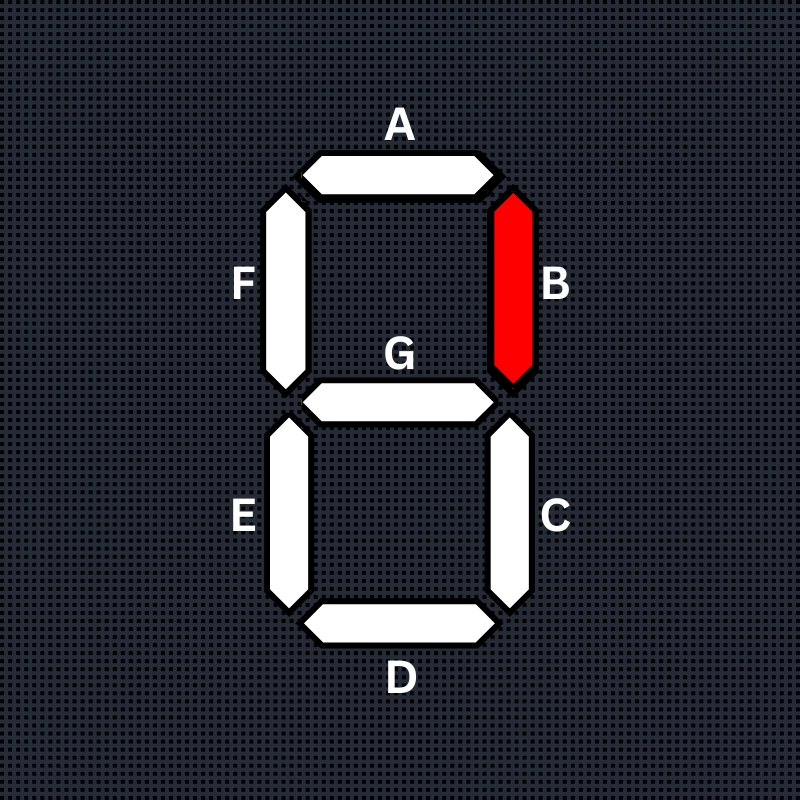
High Speed Timer Timeout
Fault No. 7
The high-speed travel timer has expired.
This timer is not the elevator’s full travel time timer.
This fault causes the elevator to stop at the nearest floor without going out of service.
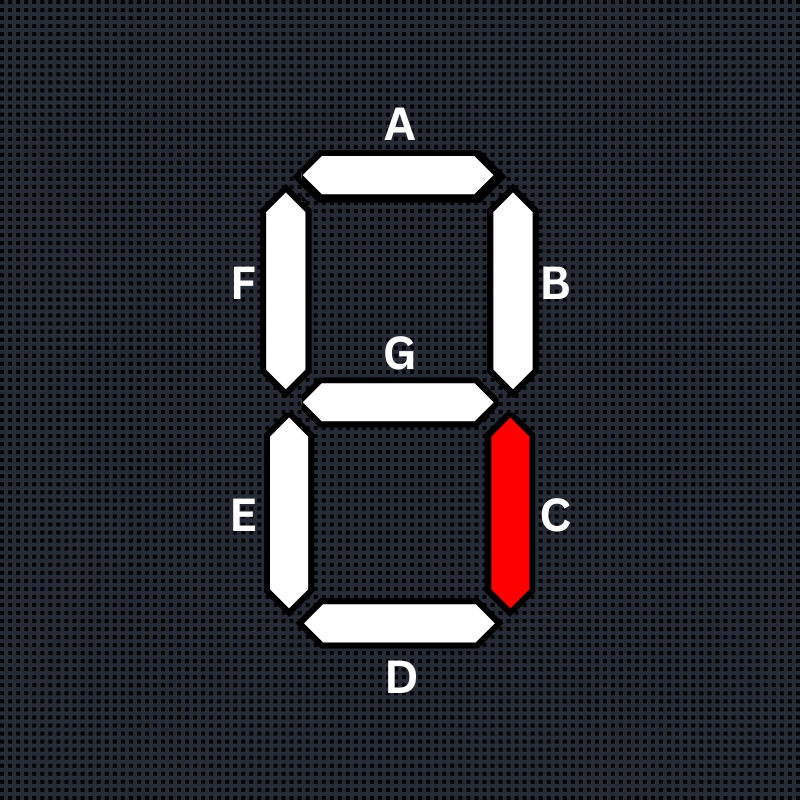
Low Speed Timer Timeout
Fault No. 8
The low-speed travel timer has expired.
This fault causes the elevator to stop at the nearest floor without going out of service.
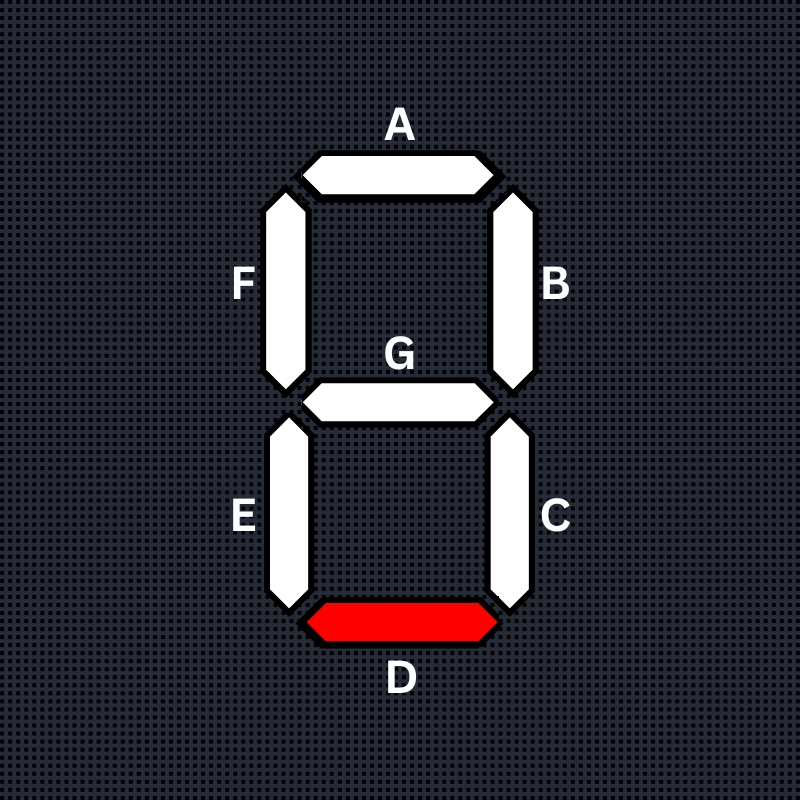
Door Lock Circuit Error
Fault No. 9
This fault appears when the cam timer expires.
There is a problem in the door lock circuit.
It appears only when the cam engages and then releases because the door lock circuit has not been completed.
This fault appears while the elevator is stopped and never appears during travel.
The elevator does not go out of service unless the allowed number of cam attempts is exceeded.
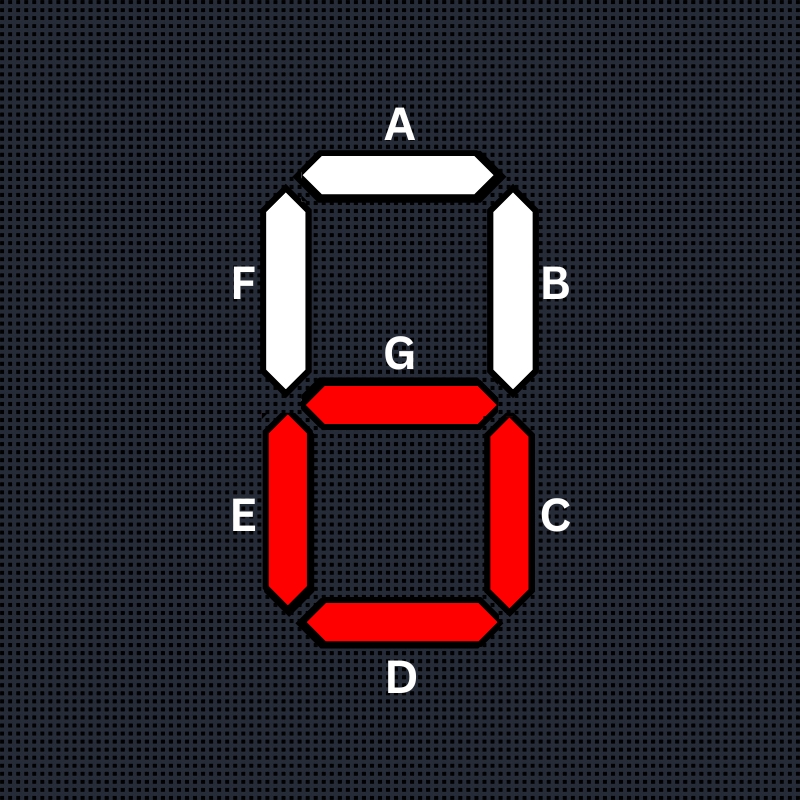
Cam Attempts Exceeded
Fault No. 10
The cam engages for a set period, but the door lock circuit is not completed.
The cam then releases and retries until the allowed number of attempts is exceeded. This protection is designed to prevent the cam from burning out.
The elevator will go out of service and will not accept calls. Power must be turned off and then turned on again to reset the fault.
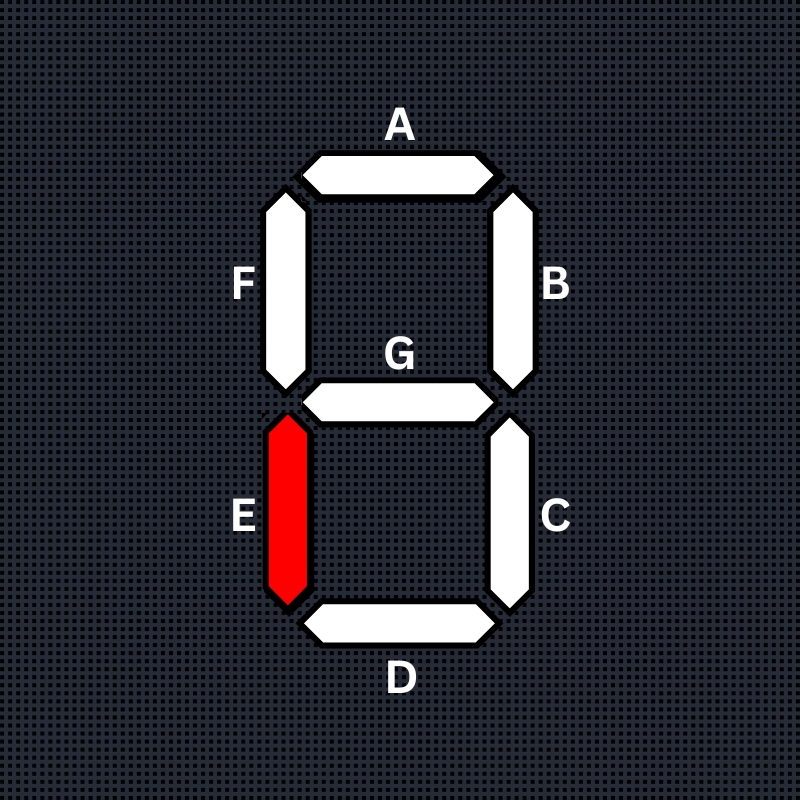
Call Cancellation Timer Expired
Fault No. 11
The call cancellation timer has expired because the elevator door remained open for 60 seconds.
The elevator does not go out of service.
إنقضاء زمن تسقيط الطلبات . و يظهر عندما يظل باب المصعد مفتوحا لفترة 60 ثانية
(لا يخرج المصعد خارج الخدمة)
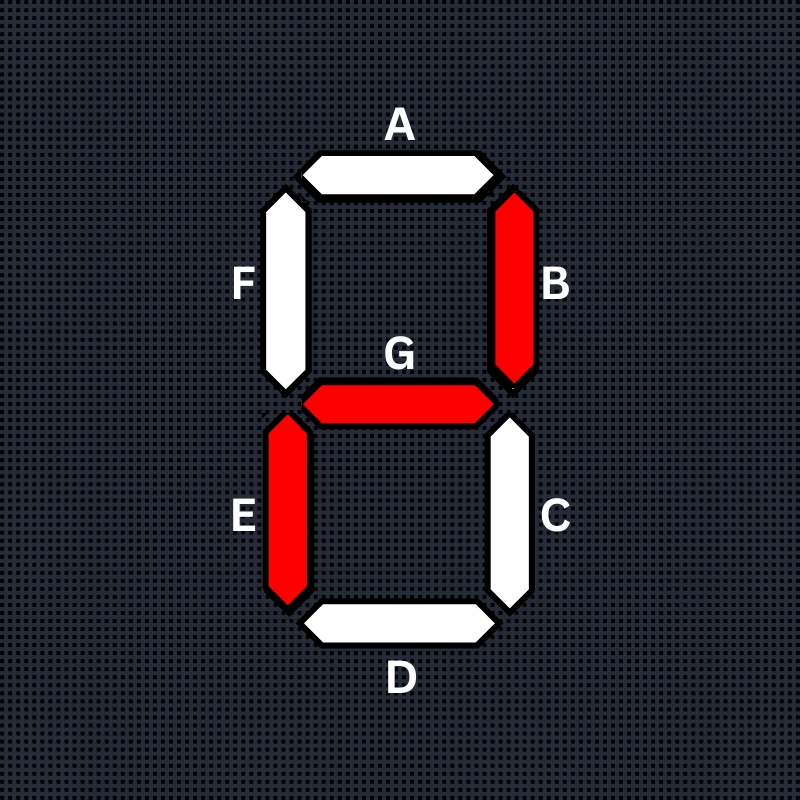
Operating Hours Timer Expired
Fault No. 12
The elevator operating hours limit has been reached. This timer monitors the elevator running time in hours, with a maximum value of 9999 hours, approximately 417 days.
If the power goes off and then returns, the operating hours timer will continue from the stored value, as the board continuously saves the elapsed operating hours.
When this limit is reached, the elevator will go out of service and will not accept calls. Power must be turned off and then turned on again to reset the fault.
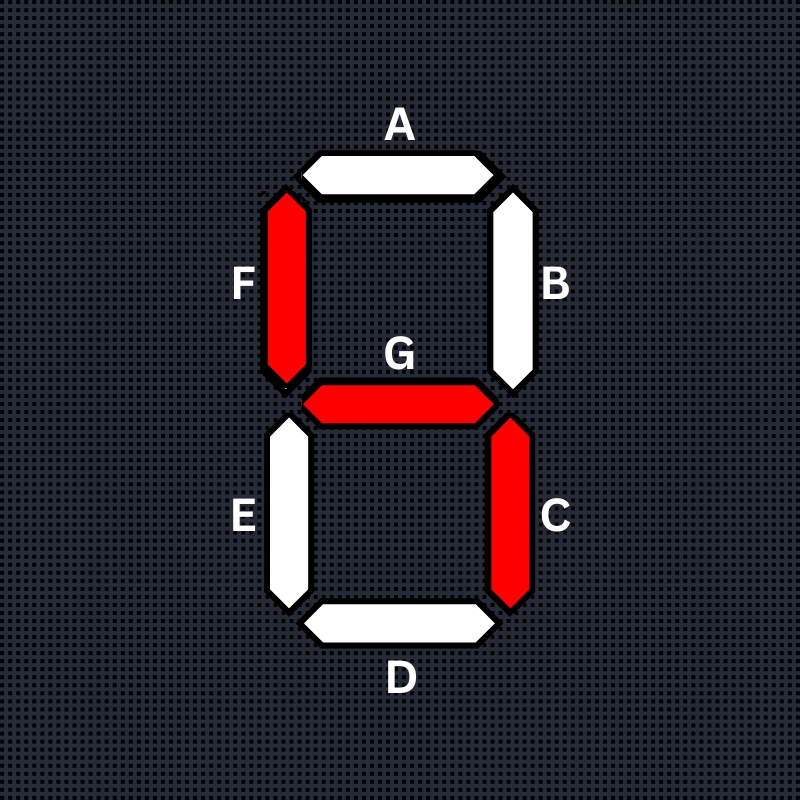
Brake Feedback Circuit Fault
Fault No. 13
This fault is related to the mechanical brake feedback contact, which is connected as a normally open contact on the control board.
Some brake systems are equipped with a feedback contact to the control panel. This contact is connected to the board through FL and COM terminals.
It is recommended to use this feature with boards that include an internal phase sequence system. A brake timer is also available in the programming settings.
If the board gives a run command and this contact is not completed on the board, a running fault will be triggered.
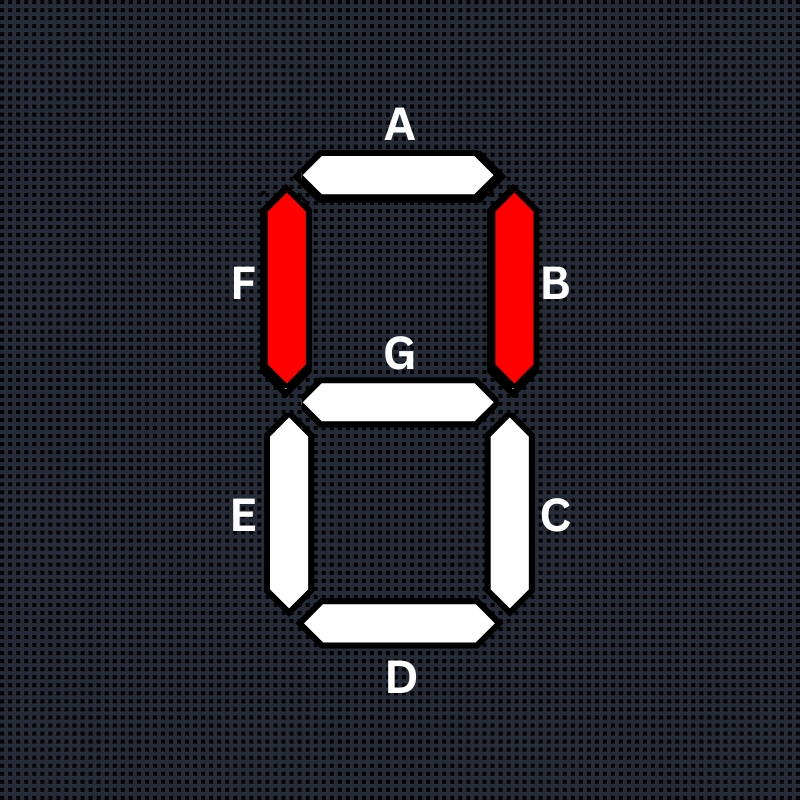
Up & Down Limit Switches Open
Fault No. 14
This fault appears when the elevator is stopped at a floor while both the up and down direction limit switches are open.
In this condition, the elevator will not move and will not accept any calls.
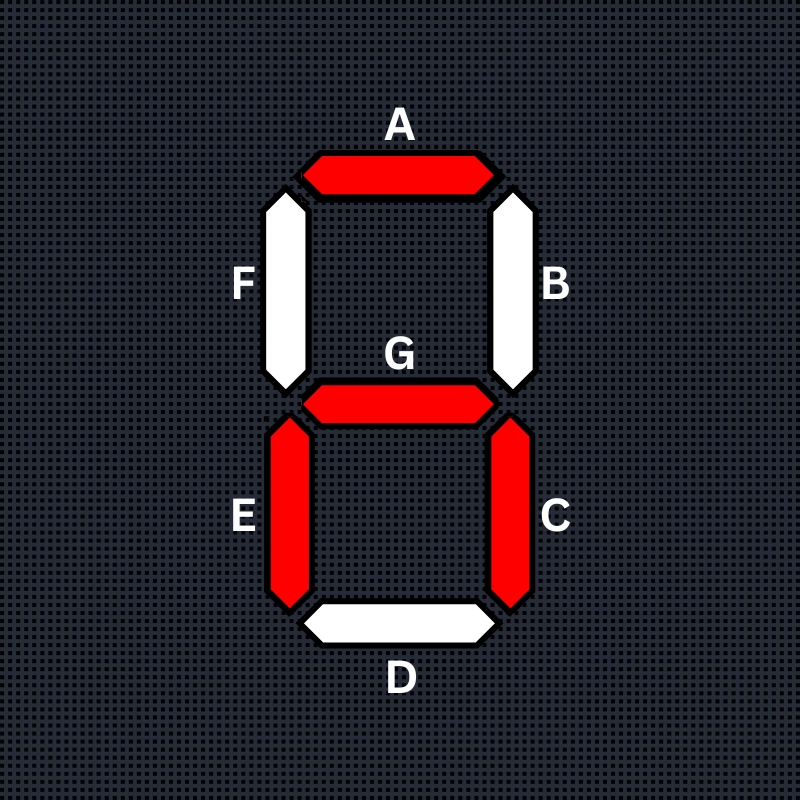
Elevator Machine Overtemperature
Fault No. 15
Elevator machine overtemperature fault. This fault appears only on boards equipped with a thermal protection input (TR-TR).
For the board to detect machine overheating, the machine must remain hot for the programmed time value.
As long as the machine temperature remains high, the board will not operate and the elevator will go out of service until the machine returns to its normal temperature.
If the thermal protection terminal is not used, you must set Termic time = 50 from the board’s advanced programming menu.
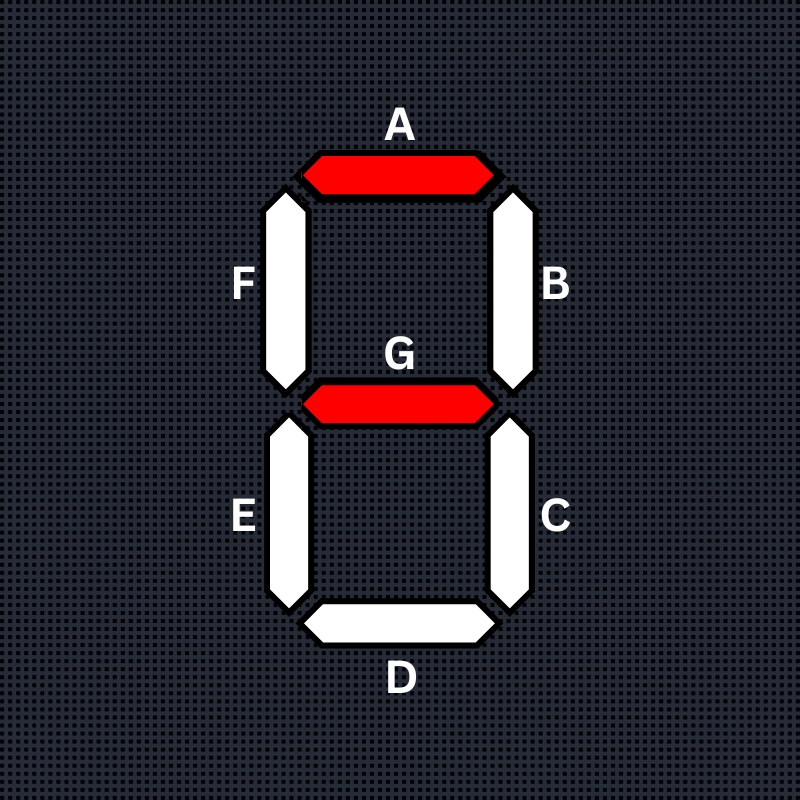
Door Lock Safety Fault
Fault No. 16
Door lock safety fault.
This fault occurs when the elevator stops at the same floor 5 consecutive times and the door lock does not release.
The elevator will go out of service.
Power must be turned off and then turned on again for the board to resume operation.
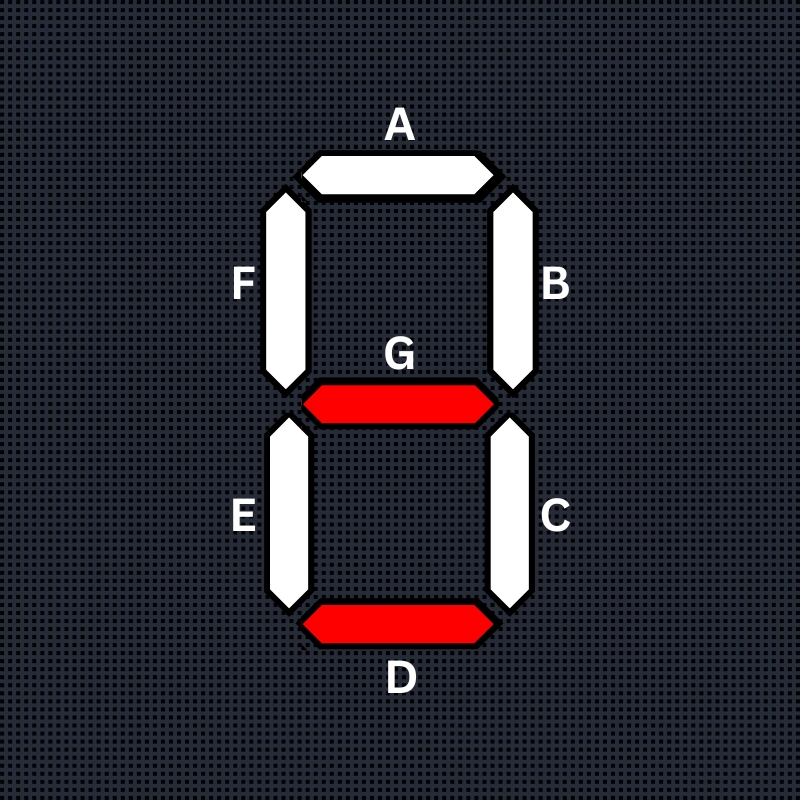
Door Safety Contact Fault
Fault No. 17
Door safety contact fault.
This fault occurs when the elevator stops at the same floor 5 consecutive times and the door safety contact circuit does not open.
The elevator will go out of service.
Power must be turned off and then turned on again for the board to resume operation.
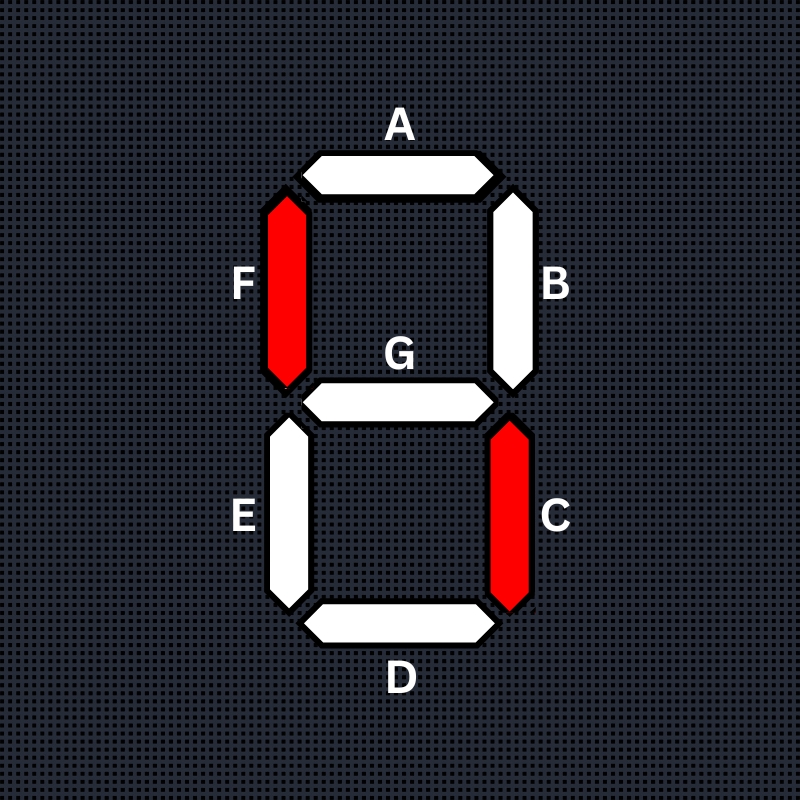
Full Load
Alert No. 18
This alert indicates that the elevator is fully loaded and will not stop for any hall calls while traveling downward.
No elevator fault is triggered.
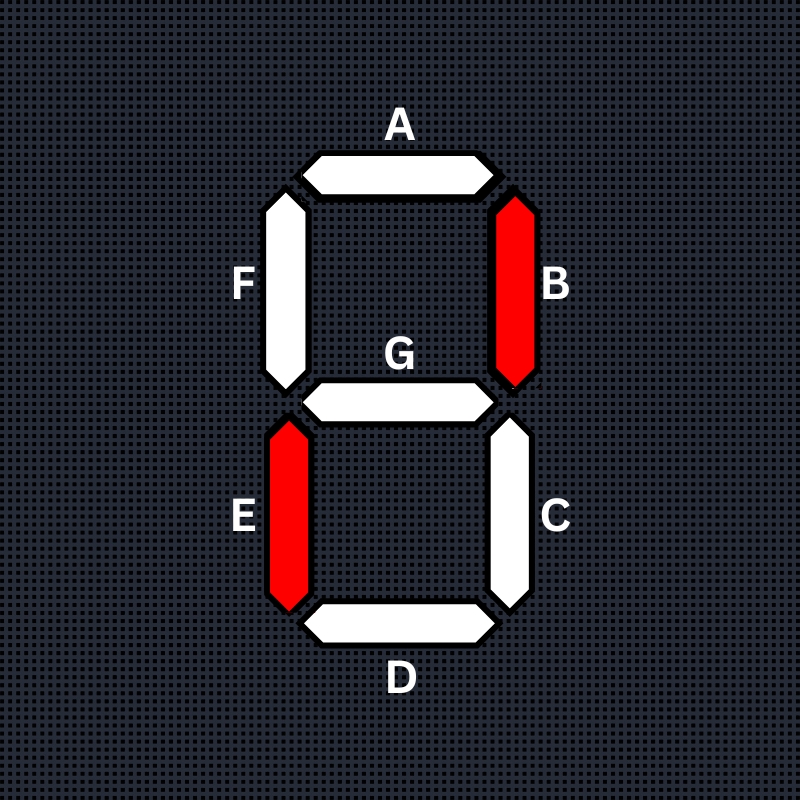
Overload
Alert No. 19
This alert indicates that the elevator is overloaded and will not be able to move.
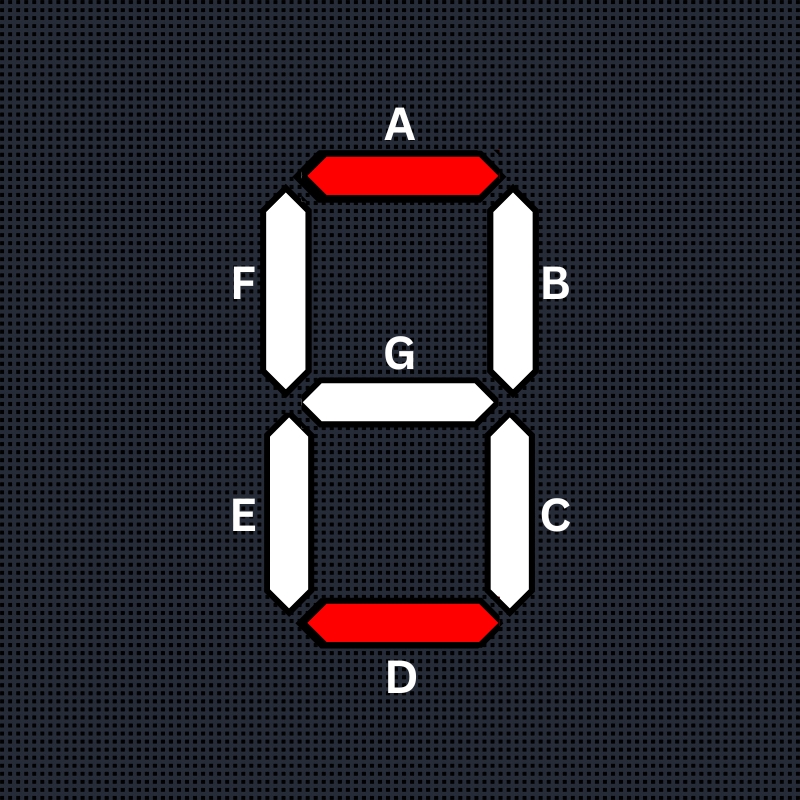
Machine Overcurrent During Travel
Fault No. 20
Machine overcurrent fault during travel. This fault occurs when the machine current exceeds the rated current, whether during high-speed or low-speed operation.
This fault is active only on boards equipped with built-in electronic overload protection.
When this fault occurs, the board stops operation for 20 seconds, then resumes operation again. If the same fault occurs again within 10 minutes, the board will stop permanently and power must be turned off and then turned on again.
If the fault does not occur again within 10 minutes, the board will continue operating normally.
If this fault is caused by the mechanical brake not releasing, the board will stop operation immediately.
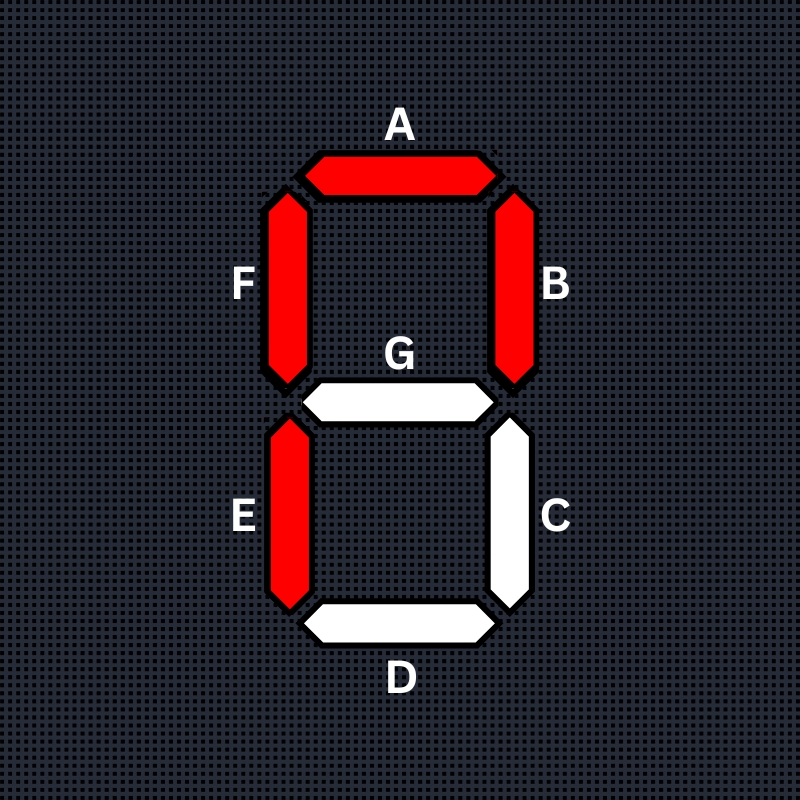
Call Registered at Current Floor
Alert No. 21
This alert indicates that an external hall call button or an internal cabin call button is stuck or continuously registered on its own.
If the stuck button is an external hall call button, the board will stop accepting any hall calls for 10 seconds, then display this alert and continue operating normally.
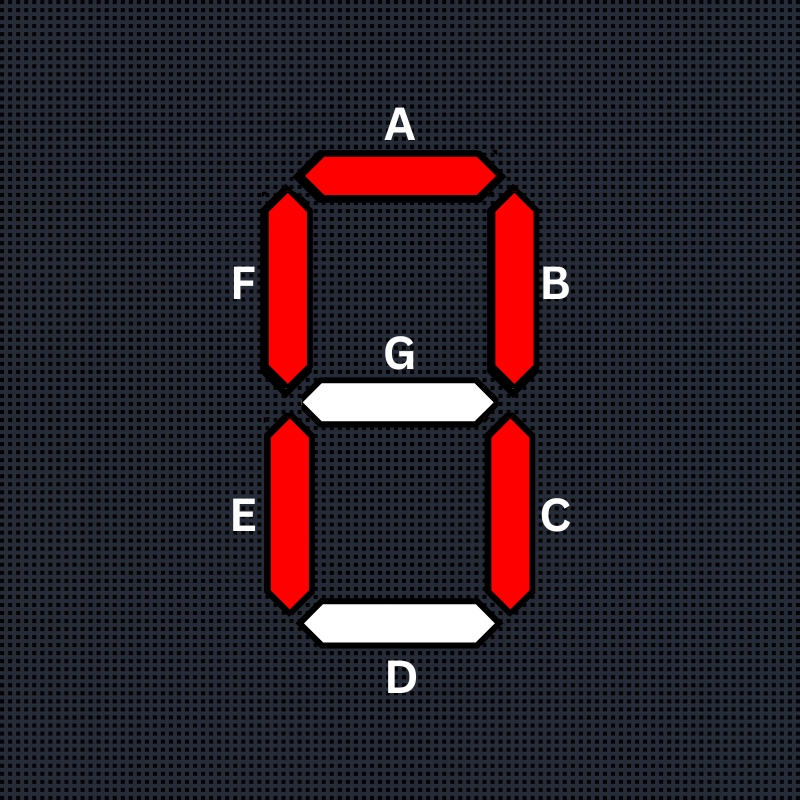
Elevator in Maintenance Mode
Alert No. 22
This alert informs elevator users that the elevator is operating in maintenance mode.
In this mode, the elevator will not accept any calls, whether hall calls or cabin calls.
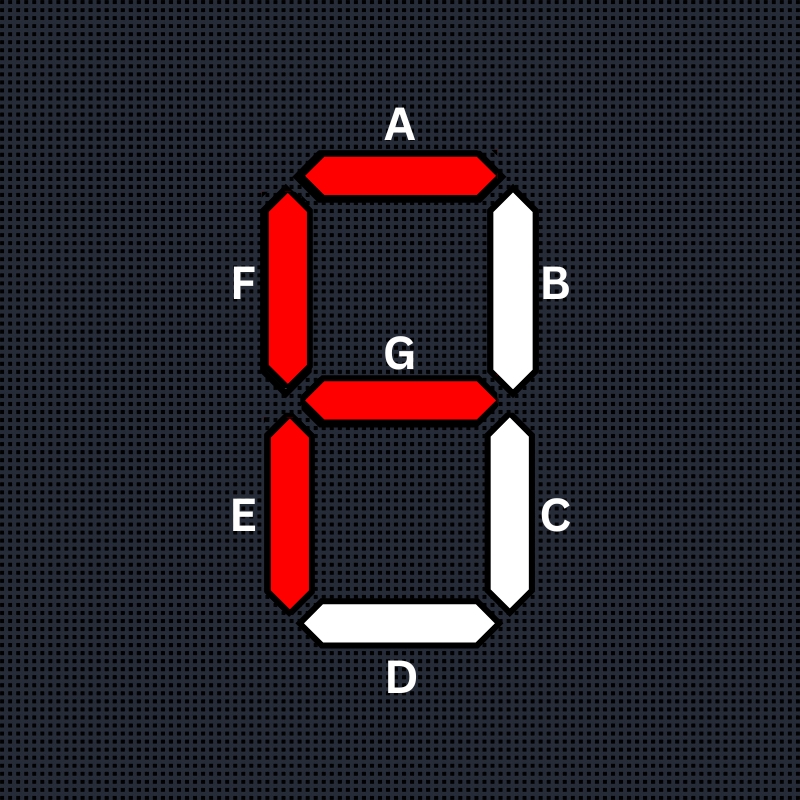
Elevator in Fire Service Mode
Alert No. 23
This alert informs elevator users that the elevator is operating in fire service mode, and evacuation is being controlled by the firefighter or rescue operator.
In this mode, the elevator will not accept any calls except those operated by the rescue operator.
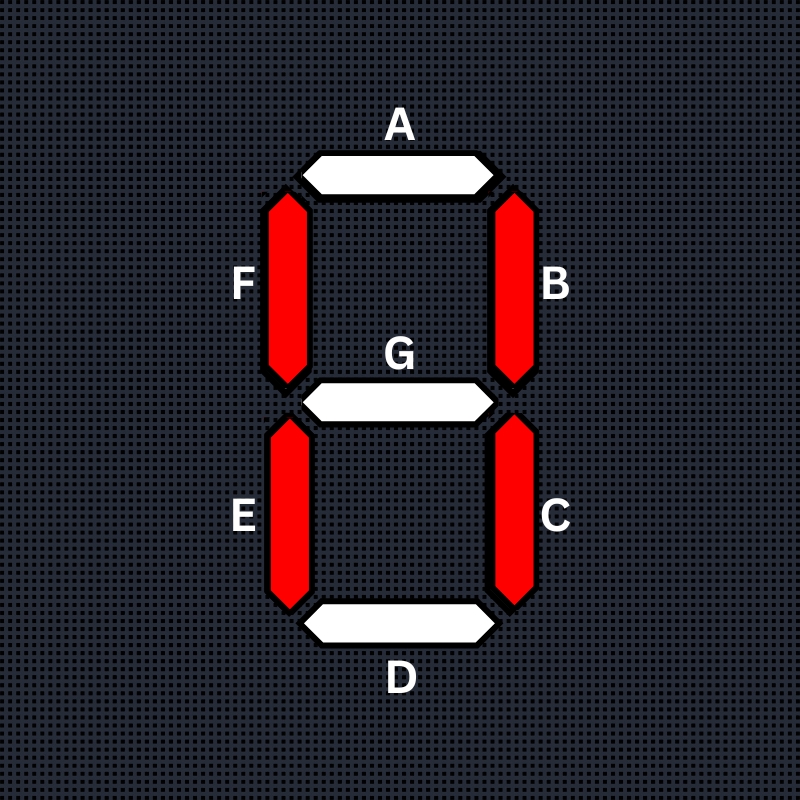
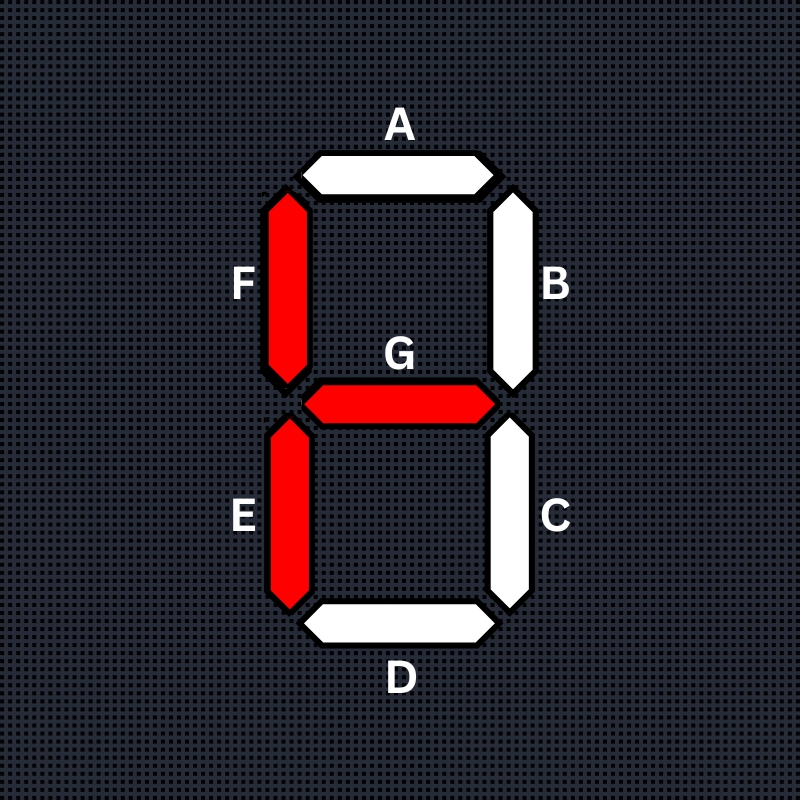
Cabin Board Stop Contact Open
Fault No. 24
The STP stop contact on the cabin board is open. This applies when using the cabin module designed to reduce traveling cable wiring.
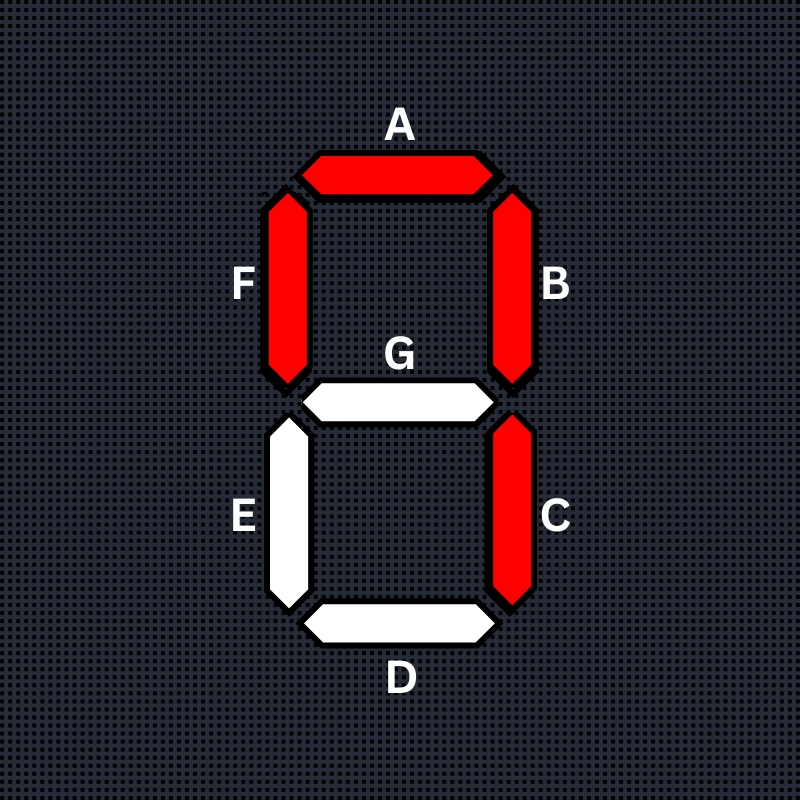
Duplex Not Connected
Fault No. 25
The duplex group is not connected properly.
The duplex linking board and the control board are not communicating.
Control Board Not Connected to Cabin Board
Fault No. 26
When using the traveling cable-saving cabin board module, this fault appears if the boards are not communicating with each other.
The elevator will not respond to any calls, whether hall calls or cabin calls.
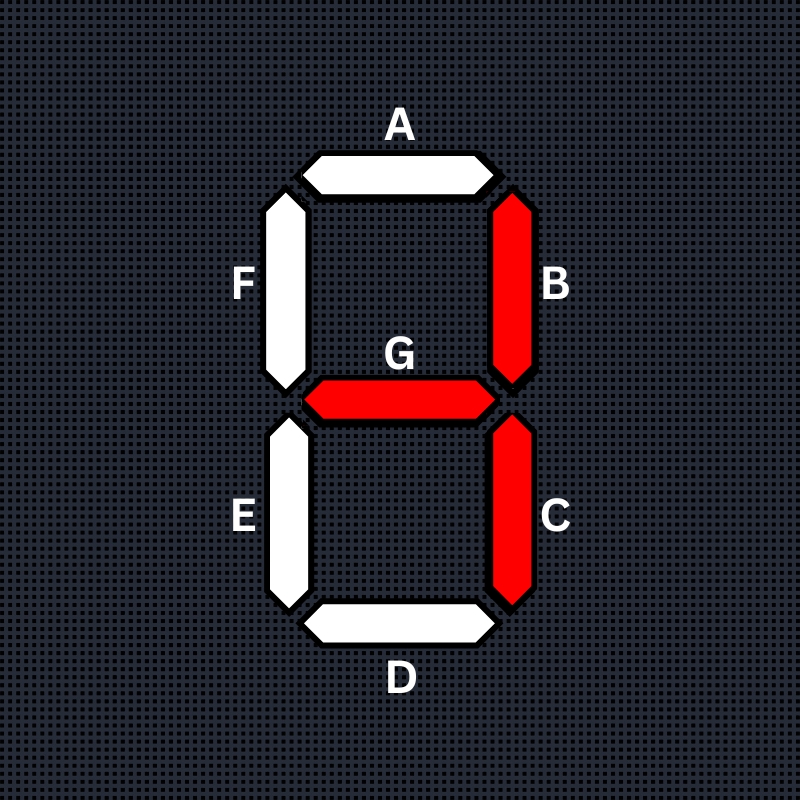
Mechanical Brake Not Released
Fault No. 27
This fault applies to boards equipped with built-in electronic overload protection.
When the board detects overcurrent while the cabin does not move, meaning no pulses are received by the board counter, this indicates that the mechanical brake has not released.
If this fault occurs, the elevator will go out of service immediately and will not accept calls. Power must be turned off and then turned on again to reset the fault.